
How well a child can regulate their emotions predicts their adult health, wealth, and wellbeing about as strongly as their IQ or family's income does.
The whole point of this work is to feel better, so let’s get specific about what that means. Your nervous system is always in one of three activation zones. That's the headline from one of the most remarkable studies in psychology.
The Dunedin Study has followed 1,037 people born in Dunedin, New Zealand, in 1972 and 1973 for more than fifty years. A 2011 analysis of the group built a measure they called “childhood self-control,” drawing on reports from the children themselves, their parents, and their teachers. It covered things like frustration tolerance, moodiness, distractibility, and hostility. It maps closely onto what we've been calling the window of tolerance.
Childhood self-control turned out to be one of the strongest independent predictors of how adult life goes, right alongside IQ and socioeconomic status.
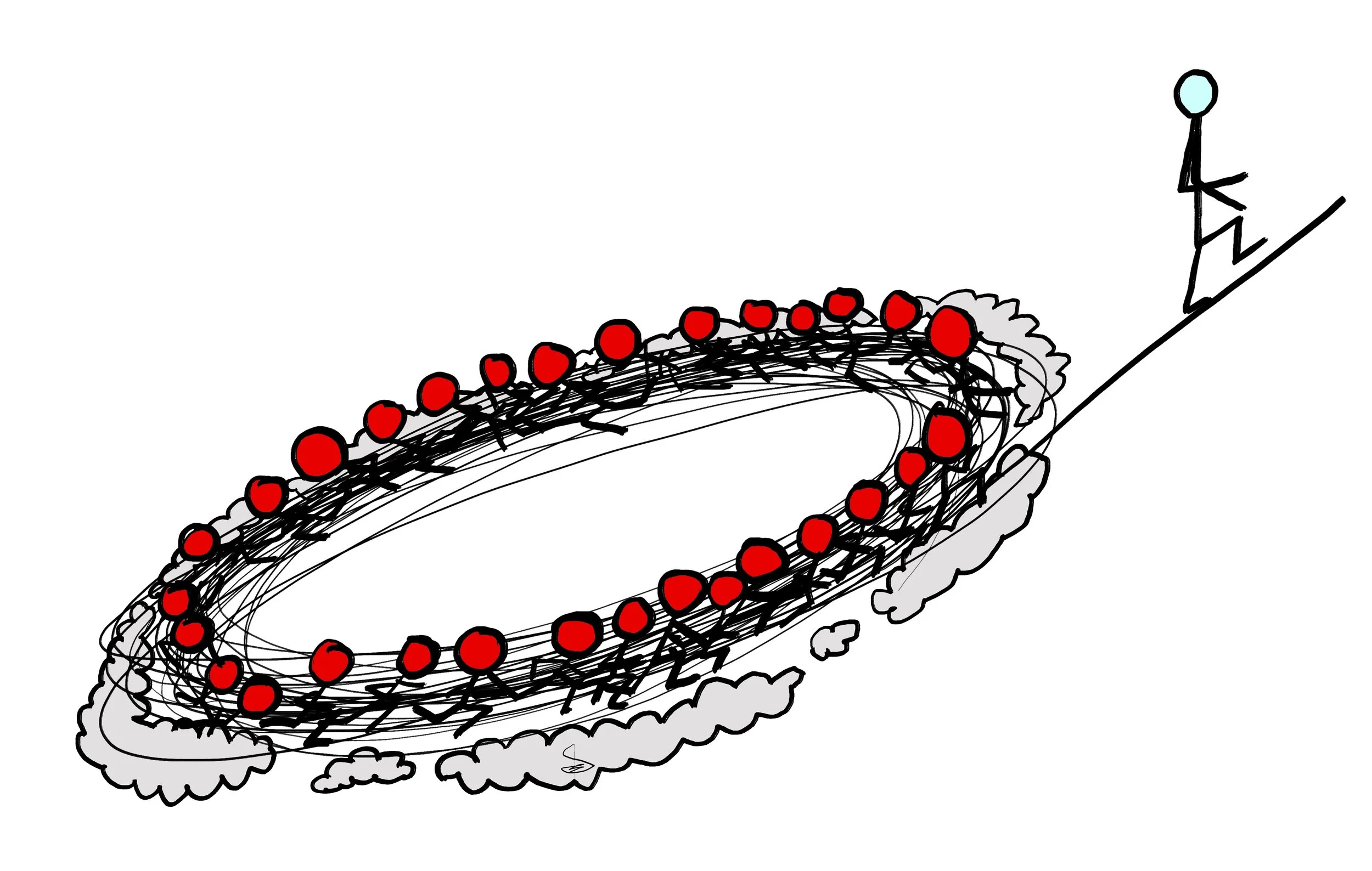
Children with the lowest self-control were significantly more likely to experience poor physical health, substance dependence, financial struggles, criminal convictions and a faster pace of aging.
The most encouraging part: Self control is learnable. Young adults whose self-control improved after childhood were doing better by their thirties than their childhood scores would have predicted.
This is great news! Emotional regulation is a skill, not a fixed trait. And this skill is exactly what our practices train.
If you're interested to learn more about the study, you can read Shift by Ethan Kross. There is also overlap with Grit by Angela Duckworth.
Practice: Neuroplacticity Meditation (9 mins)
Open a feeling space to help your brain to rewire to safety and your window of tolerance to expand to better accommodate life's lumps and bumps.