
Mackenzie Morrison CMT
Somatic Bodywork
Craniosacral, Myofascial Release, Neurostructural and Lymphatic Drainage
Sensitive, attuned and trauma-informed
Chronic pain, digestive issues, hyperarousal, vigilance, bracing, stress and emotional overwhelm
Highly sensitive nervous systems
My specialties
I support clients whose bodies are carrying the effects of chronic stress, pain, trauma, grief, or emotional overwhelm. The work is designed to help the nervous system down-regulate, to reduce physical restriction and pain, and to restore a greater sense of safety, connection, and ease.
I work with clients on a range of concerns, including:
Nervous system dysregulation and overwhelm
Chronic pain, muscular tension, and holding patterns
Headaches, migraines, and jaw tension (TMJ)
Neck, shoulder, and back pain
Fascial restriction and limited mobility
Digestive issues and gut-nervous system imbalance
Circulation issues
Swelling, inflammation, fluid retention, congestion, detoxification, immune system and lymphatic support
Sleep difficulties, insomnia, and fatigue
Post-surgical and injury recovery
Emotional holding, stored trauma, and body disconnection
Anxiety held in the body
Highly sensitive nervous systems
Burnout recovery and nervous system restoration

My somatic touch
Somatic touch is a body-based modality that supports the nervous system through gentle therapeutic contact, stillness, and attuned presence. While talk therapy can help to understand patterns, the body often holds what words cannot fully reach. This is particularly true of early non-verbal trauma and attachment injuries and deficits. Stress, grief, chronic tension, emotional overwhelm, and past experiences can appear as bracing, numbness, fatigue, pain, or a sense of not being fully present. Somatic touch works to unwind these patterns using nervous system co-regulation and slow, sensitive and receptive touch. Over time, the nervous system internalizes a sense of safety and learns how to return to deeply restorative and highly-connected states by itself. This is known as self-regulation.
Bodywork with me
My sessions are slow, collaborative, and deeply individualized. I integrate therapeutic touch, craniosacral therapy, fascia and lymphatic support, and subtle listening and tracking of your body. The intention is not to push through resistance, but to create enough safety for the body to soften, unwind, and release what it has been holding. This is very different to regular massage where the practitioner is often working through a set protocol. I listen to you body and allow it to guide my interventions.
Clients describe the work as grounding, restorative, subtle, and quietly profound. They describe feeling deeply cared for, nurtured, and soothed and often leave feeling lighter, more at peace, and more connected. Many say they have not experienced this level of attuned touch before.
This work supports highly sensitive nervous systems particularly well. As a highly sensitive person myself, I pay close attention to body cues and I am careful not to trigger symptoms or produce overwhelm. Highly sensitive people can benefit greatly when they are properly met by another sensitive nervous system. There can be a deep attachment repair in cases where a client had insensitive, reactive, or shut-down parents who could not support their sensitivity.
My background
My path into bodywork began through my own journey through pain, sensitivity, embodiment, and healing. For much of my life, I lived very much in the mind, intellectualized and disconnected from my body. A period of personal difficulty led me into a more embodied way of living. I began exploring the nervous system, breathwork, dance, acting, somatic healing, and the power of safe, attuned touch. Through that process, I came to understand the body as a place where shame, emotion, memory, and aliveness can be met with care. My intention in my work is to create a similar space for others, where the body can soften, regulate, and begin to feel safe again.
“Rather than treating the body as a problem to fix, I approach it as intelligent, responsive, and capable of returning to greater coherence when met with patience and care.”
Treatment approach
-
Somatic bodywork supports the autonomic nervous system through gentle therapeutic contact, deeply attuned presence, and co-regulation between the practitioner and client. Somatic bodywork applies neuroscience and trauma-informed frameworks to sense and unwind any residual patterns left by trauma and attachment injuries. Traumatic patterns may be in the form of bracing, muscular tension or flaccidity, physiological dissociation, disrupted digestion, tics, tremors and many different posture, movement and speech patterns.
-
Craniosacral Therapy is an exceptionally gentle hands-on approach that works with the body's central nervous system and natural rhythms. Using light therapeutic touch, this work helps reduce tension throughout the body while encouraging the nervous system to shift from a state of stress and protection toward rest and repair.
Many people seek craniosacral therapy for headaches, jaw tension, chronic stress, fatigue, nervous system dysregulation, concussion recovery, or simply to experience a deeper sense of calm and relaxation. Sessions are quiet, restorative, and deeply supportive of the body's innate healing processes.
-
Fascia is the connective tissue, or net, that surrounds and supports every muscle, organ, nerve, and joint in the body. Physical injury, repetitive movement, emotional stress, and trauma can cause this tissue to become restricted, or caught, contributing to pain, stiffness, limited mobility, and persistent discomfort.
Myofascial Release uses slow, sustained pressure to gently release these restrictions and restore healthier movement throughout the body. Rather than forcing tissue to change, this approach allows the fascia to gradually soften, improving mobility, reducing pain, and supporting overall structural balance.
-
The lymphatic system plays an essential role in immune health, fluid balance, and the body's natural detoxification processes. When lymphatic flow becomes sluggish, people may experience swelling, congestion, fatigue, inflammation, or a general sense of heaviness.
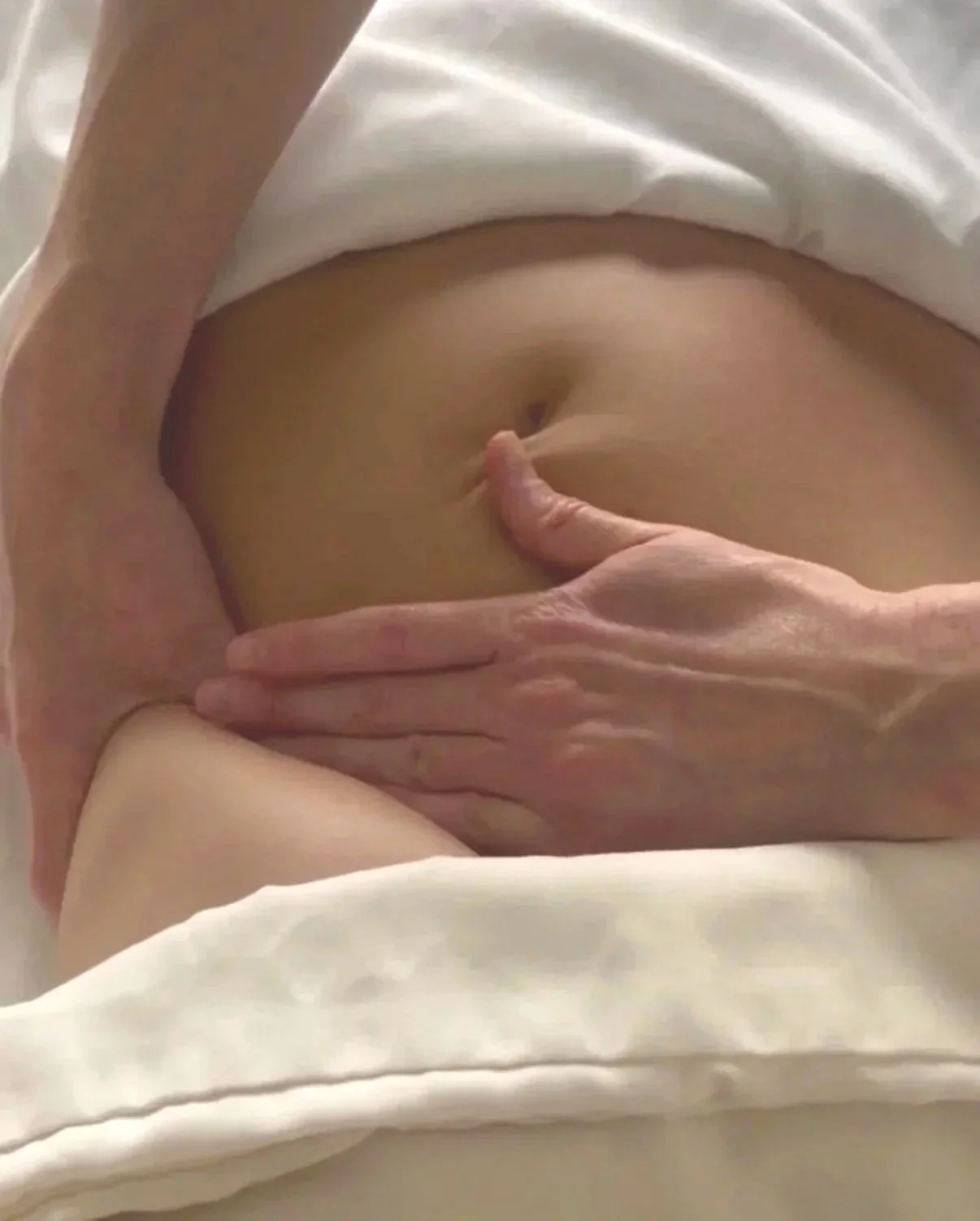
Manual Lymphatic Drainage is a gentle, rhythmic technique designed to encourage healthy lymph flow and support the body's ability to reduce excess fluid and waste. Many clients find this treatment deeply calming while also benefiting recovery after surgery, reducing swelling, supporting immune function, and promoting overall wellness. Because the lymphatic and nervous systems are closely connected, improving lymphatic flow can also contribute to a greater sense of relaxation and restoration.
Training
Neurostructural Bodywork, Kali Institute, Ventura
Massage Therapy, IPSB, School of Integrative Psycho-Structural Bodywork
Lymphatic Therapy Certification, Academy of Lymphatic Studies (ACOLS)
Craniosacral Therapy Training, Life Energy Institute
Trauma-Informed Touch, Somatic Bodywork, and Nervous System Regulation, Ongoing Study
Certified Massage Therapist (CMT)
Manual Lymphatic Drainage Certified (MLD-C)
Services and fees
I offer in-person sessions for:
50-minute session: $250
110-minute session: $500