
Pain Reprocessing Therapy
LOS ANGELES, CALIFORNIA & ONLINE

Pain Reprocessing Therapy (PRT) is an evidence-based treatment that retrains the brain to unlearn chronic pain.
66% of chronic back pain patients were pain-free or nearly pain-free after just four weeks of PRT, with results holding at one and five-year follow-ups.
PRT helps people who have:

Widespread pain (fibromyalgia, CRPS)
Back and neck pain
Joint and limb pain, including repetitive strain injury
TMJ and jaw pain
Pelvic pain
Migraines and tension headaches
Digestive symptoms (IBS, bloating, nausea, functional dyspepsia)
Neurological symptoms (tinnitus, dizziness, numbness, tingling, RLS)
Chronic fatigue
What is PRT?
Pain Reprocessing Therapy (PRT) is a psychological treatment for chronic pain developed by Alan Gordon, LCSW. Steven Bradshaw, LMFT, a founder of Beyond Psychology Center, is trained in PRT and worked with Alan at the Pain Psychology Center. PRT is a core component of the Beyond approach that all clinicians at Beyond are trained in.
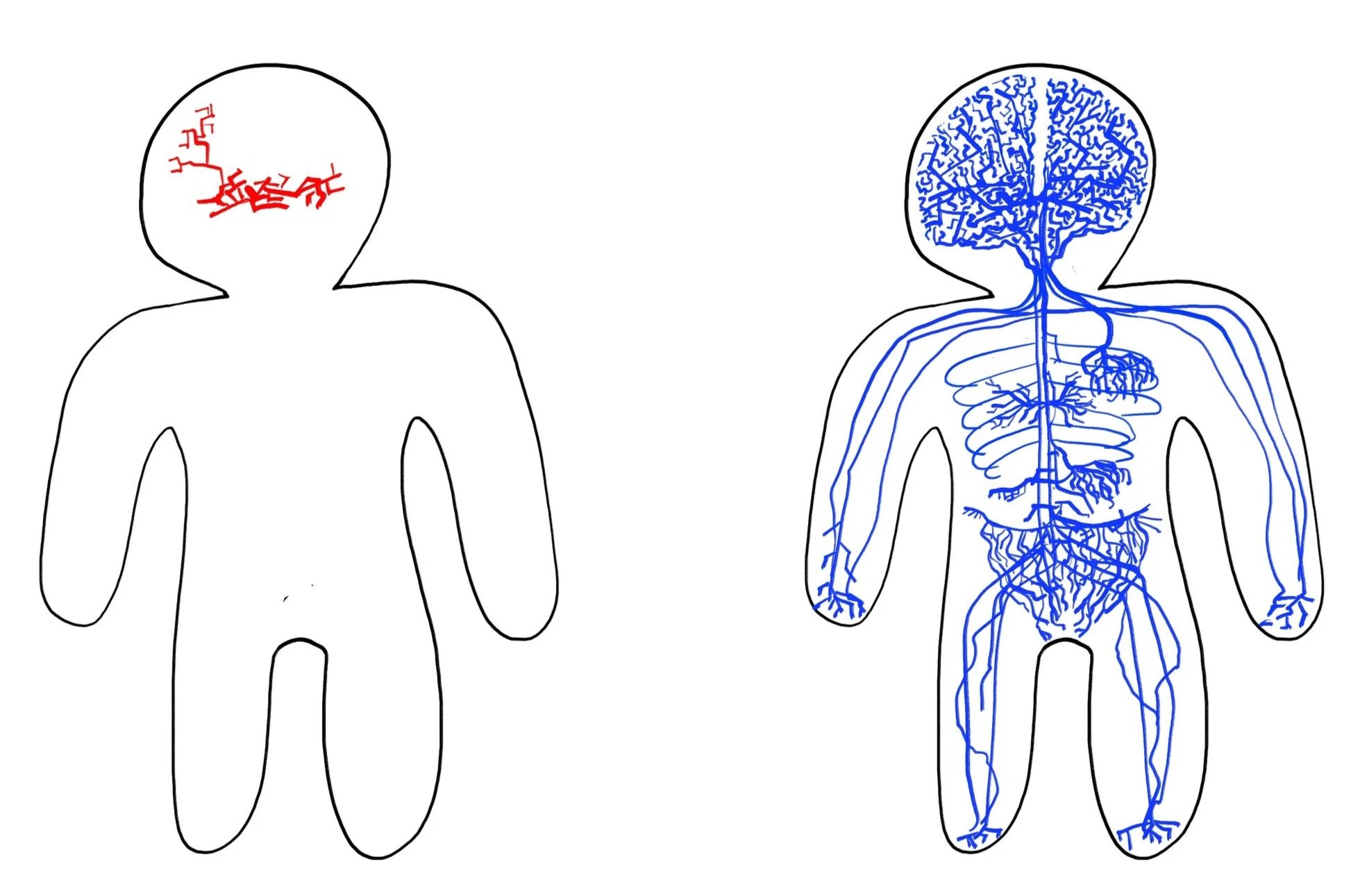
PRT is grounded in modern pain neuroscience, which has shown that most chronic pain is not caused by ongoing damage in the body. Instead, the brain learns to generate pain as a false alarm, misinterpreting safe signals from the body as dangerous. This is known as neuroplastic or learned pain.
In acute injury, pain is a useful warning signal. But with chronic pain lasting more than three months, neural pathways shift to emotional centers of the brain and pain becomes a signal of stress and unexpressed emotional pain.
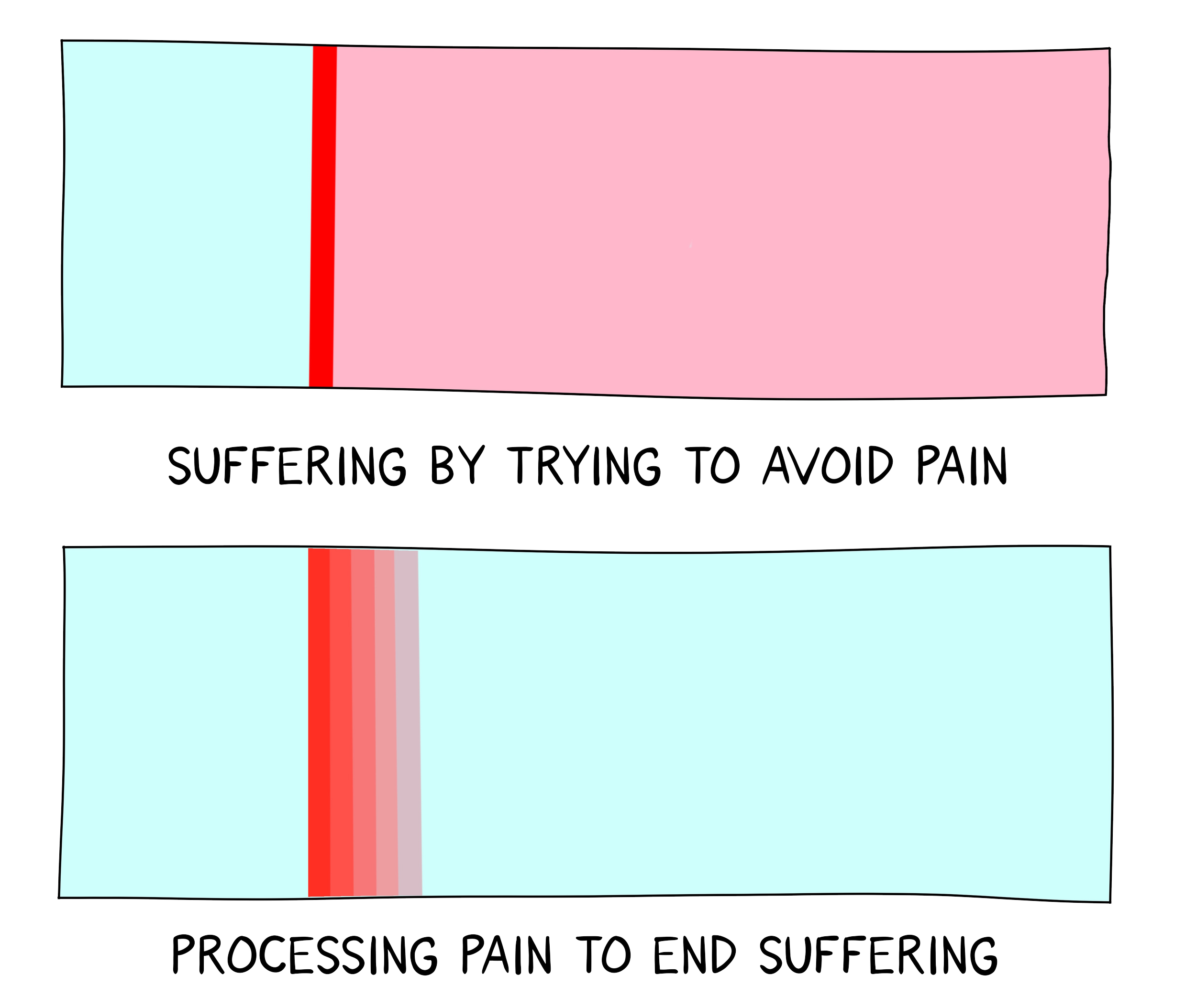
Neuroplastic pain is more likely to occur where there is complex-PTSD or developmental trauma, where feelings were not acknowledged and had to be suppressed for long periods. It is further reinforced by patterns of fear, bracing, rumination, OCD, physiological dissociation, and the stress of living with the pain itself. Neuroplastic pain is also more likely to occur in highly sensitive people who are more affected by their environment than less sensitive types.
PRT targets the learned pain cycle directly. Rather than managing pain, the goal of PRT is to eliminate or significantly reduce it by helping the brain relearn that the body is safe.
The evidence for PRT
PRT has strong research support. In a randomized controlled trial conducted at the University of Colorado Boulder and published in JAMA Psychiatry (2022), 66% of participants with chronic back pain were pain-free or nearly pain-free after four weeks of PRT, compared with 20% who received placebo and 10% who received usual care. Gains were largely maintained one year later, and functional MRI showed measurable changes in pain-related brain activity.
A follow-up of the same trial (Ashar et al., 2025) reported in JAMA Psychiatry obtained data from 113 of the original 151 participants. 55% of PRT patients were nearly or completely pain-free at 5 years vs 26% in the placebo and 36% in the usual care groups. PRT also produced significant improvements in pain interference, depression, anger, fear of movement, and attribution of pain to mind-brain processes, with no booster sessions provided.
PRT is appropriate for pain that is neuroplastic in origin, including chronic back and neck pain, tension headaches and migraines, fibromyalgia, pelvic pain, and other persistent pain conditions where structural causes have been ruled out or do not fully explain the symptoms.
Ready to feel yourself again?

Your body knows how to heal, it just needs the right support.
Let's get you back on track!